
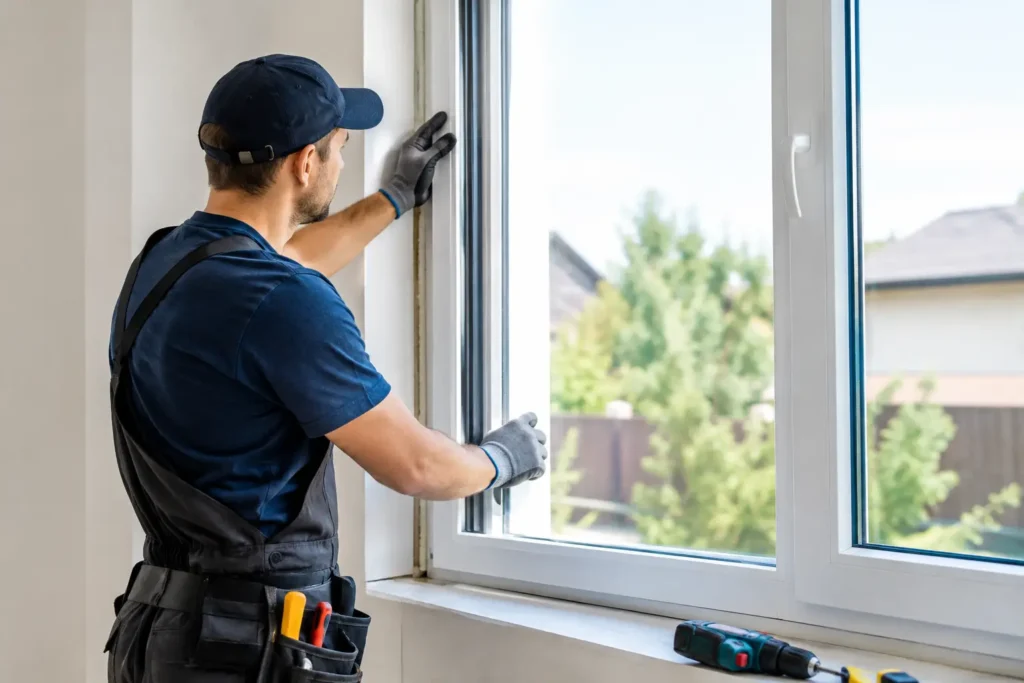
A window can look like a straightforward purchase until the estimate arrives. The window itself is only part of the job. Labor, opening preparation, insulation, exterior flashing, interior trim, and possible hidden damage all shape the final window installation cost. For Long Island homeowners, getting clear on those moving parts helps prevent a low initial number from becoming an expensive surprise halfway through the project.
A properly installed window should improve comfort, protect the wall around it from water intrusion, operate smoothly, and look finished inside and out. That takes more than sliding a new unit into an opening. It takes careful measuring, solid preparation, and workmanship that holds up through hot summers, coastal weather, and cold New York winters.
What Does Window Installation Cost Per Window?
Most homeowners can expect a standard replacement window installation to fall roughly between $700 and $1,800 per window, including a mid-range window and professional labor. Basic vinyl double-hung windows on an uncomplicated opening may land toward the lower end. Larger openings, premium materials, custom sizing, and repair work can push the price higher.
That broad range is useful for early budgeting, but it is not a substitute for an on-site estimate. A two-story home with old wood trim and signs of water damage is not the same project as replacing a first-floor vinyl window in a clean, square opening.
For a whole-house project, the total can range from several thousand dollars to well over $20,000, depending on how many windows are being replaced and the level of product selected. Homeowners often receive a better labor value when several windows are completed in one visit because setup, protection, and cleanup are shared across the project. Still, replacing every window at once only makes sense when the budget and the condition of the existing windows support it.
The Biggest Factors Behind the Price
Window type and size
Double-hung windows are common in Long Island homes and are generally less costly than specialty shapes. Casement, awning, bay, bow, picture, and custom-shaped windows require different hardware, framing considerations, and installation methods. A large picture window may have no moving parts, but its size and weight can make handling and installation more involved.
Standard-size units are usually more budget-friendly than custom-made windows. If an older home has uneven or unusual openings, a custom size may be the best way to achieve a clean fit without making unnecessary changes to surrounding siding, masonry, or interior trim.
Frame material and glass package
Vinyl windows are popular because they offer good performance at a practical price. Fiberglass and composite frames typically cost more but can provide added strength and stability. Wood windows offer a classic look that suits many traditional homes, especially when stained interiors or historic character matter, but they usually require a larger investment and more maintenance.
Glass choices matter, too. Double-pane insulated glass is a common starting point. Low-E coatings, argon gas fills, tempered glass near doors or low openings, laminated glass for noise control, and upgraded grids can all affect the price. These upgrades are not automatically necessary for every room. The right choice depends on sun exposure, street noise, safety requirements, and the style of the home.
Replacement installation versus a new opening
Installing a replacement window into an existing opening is usually less expensive than creating a new window opening or significantly changing its size. When a wall must be opened, reframed, insulated, sided, trimmed, and finished, the project becomes a carpentry and exterior renovation job, not simply a window swap.
The same applies when homeowners want to turn two small windows into one large window, add a bay window, or replace a window with a patio door. These changes can make a dramatic difference in light and function, but they should be priced as structural improvements with a detailed scope of work.
Condition of the existing opening
The area behind an old window is where estimates can change. Rotting wood, failed flashing, mold, damaged sheathing, insect damage, or cracked exterior trim may not be fully visible until the old unit is removed. A responsible contractor should explain this possibility before work begins and document any needed repairs if they are uncovered.
This is one reason the cheapest quote is not always the best value. An estimate that skips proper flashing, insulation, and trim repair may look attractive now, but water intrusion around a window can lead to much larger repairs later. Good installation protects both the new window and the wall system around it.
Access, height, and finish details
First-floor windows with open access are simpler than windows over a roof, deck, landscaping, or steep grade. Second-story and hard-to-reach locations can require additional safety measures and time. Heavy units may also need more than one installer to move safely.
Finish work matters just as much. Some projects need exterior capping, new brick molding, custom interior casing, painted trim, or drywall touch-ups. If you are updating a room, this can be an opportunity to improve dated trim details at the same time. It also means the estimate should separate the window cost from the carpentry and finishing work so you can make informed choices.
How to Compare Window Installation Estimates
A useful estimate does more than state a total. It explains what is being supplied, what work is included, and what conditions could change the price. Ask whether the quote includes removal and disposal of old windows, insulation around the new unit, flashing or weatherproofing, exterior trim or capping, interior trim repairs, cleanup, and painting if needed.
You should also know the exact window brand or product line, frame material, glass package, color, operating style, and warranty coverage. “Energy-efficient window” is too vague to compare accurately. Two windows that look similar in a brochure can differ significantly in construction, hardware, glass performance, and expected lifespan.
If one estimate is much lower than the others, look closely at the scope. It may exclude trim, repair work, disposal, permits, or the level of weatherproofing another contractor has included. A clear scope protects the homeowner and gives the installation team a shared plan before the first window is removed.
Where It Makes Sense to Spend More
Not every upgrade delivers the same value in every house. It may be worth spending more on better glass for a room that gets intense afternoon sun, a quieter glass option for a bedroom facing a busy road, or a wood interior finish that matches existing millwork. A kitchen bay window or a large living room picture window can also justify a larger budget because it changes how the space looks and feels every day.
On the other hand, homeowners do not always need top-tier options for a utility room, garage, or area with limited visibility. The goal is not to buy the most expensive product in every opening. It is to choose windows that fit the home, the room, and the long-term plan for the property.
Installation is one area where cutting corners rarely pays off. Even an excellent window can perform poorly if it is installed out of square, under-insulated, or improperly flashed. Drafts, sticking sashes, water stains, and premature trim damage are often installation problems, not simply window problems.
Planning a Window Project Without Surprises
Start by identifying the problem you want to solve. Are the windows drafty, difficult to open, fogged between the panes, damaged by moisture, or simply outdated? Is the priority lower maintenance, better curb appeal, less noise, or a more comfortable room? Those answers help guide product and budget decisions.
It also helps to decide whether the project should be phased. Replacing the most damaged windows first can be a practical approach when the full project is not in the current budget. Just be sure the selected style and color will still be available if you plan to complete the remaining windows later.
At That Guy Carpentry, the best window projects begin with a close look at the opening, the exterior details, and the finish you want inside the home. A tailored estimate should give you honest pricing, explain the work clearly, and leave room to choose materials that fit your priorities. The right window installation cost is not simply the lowest number on paper. It is the price of a job completed carefully enough that you can stop thinking about that window and start enjoying the room around it.