
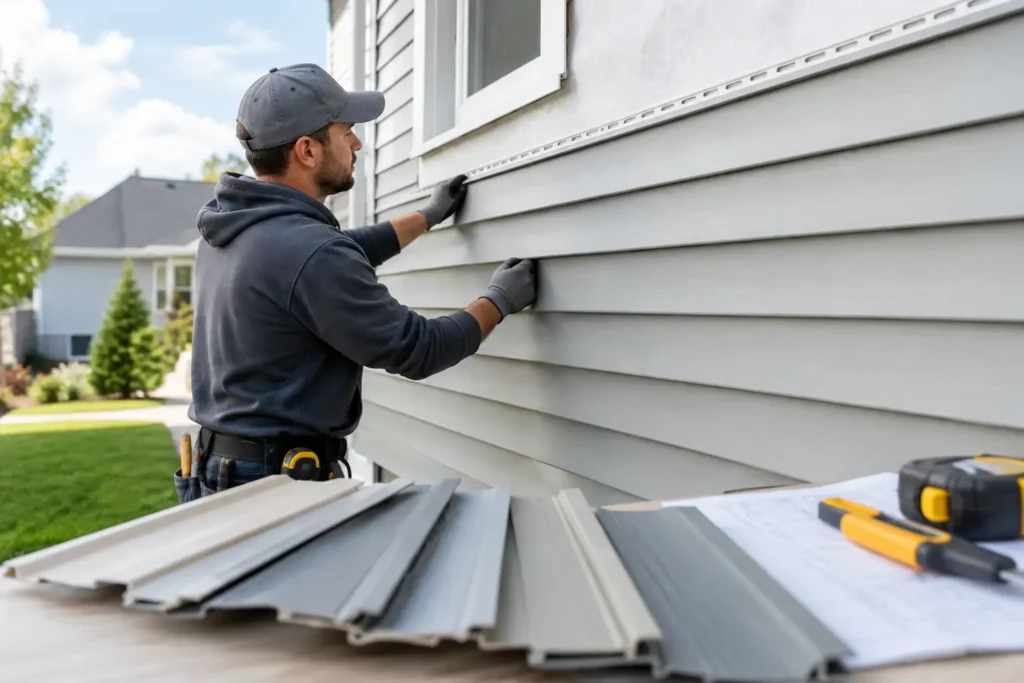
A low siding quote can look appealing until the crew removes the old panels and finds soft sheathing, damaged trim, or moisture around a window. That is why vinyl siding replacement cost is best understood as a project range, not one flat number. The right budget accounts for the visible finish, the condition of the wall behind it, and the careful installation work that helps your home stay protected for years.
For homeowners in Nassau and Suffolk County, replacement siding is often part of a bigger exterior decision. You may be trying to stop recurring repairs, improve curb appeal before selling, replace faded material, or coordinate new windows, doors, roofing, and trim. A detailed estimate helps you decide what belongs in the project now and what can reasonably wait.
Vinyl Siding Replacement Cost by Project Scope
Nationally, a full vinyl siding replacement commonly falls between about $6,000 and $25,000 or more. Many average-size homes land somewhere in the middle, but square footage alone does not tell the whole story. Labor rates, home height, accessibility, siding style, trim details, and necessary repairs can all shift the final price.
For a basic, straightforward one-story home with standard vinyl panels and walls in good condition, costs may stay toward the lower end of that range. A larger two-story home with gables, bay windows, multiple corners, decorative trim, and damaged wood underneath will require more material and more skilled labor. On Long Island, local labor costs and the care required for older homes can also make a national average feel less useful.
The most honest answer is that a replacement should be priced after someone measures the home and looks closely at the exterior. A contractor who offers a price without discussing wall condition, trim, and removal may be leaving important parts of the job out of the number.
What Makes the Price Move Up or Down
The size and shape of your home
Siding is often priced by square, which equals 100 square feet of wall coverage. Larger homes need more panels, starter strips, house wrap, trim, fasteners, and labor. But a compact home with lots of architectural detail can cost more per square than a simple rectangular home with broad, open walls.
Every corner, gable, dormer, bump-out, and second-story section adds cutting and finishing work. These details are worth doing correctly. Poorly fitted siding around rooflines and openings can allow water behind the cladding, where problems become expensive and harder to see.
Siding grade and profile
Vinyl is available in a wide range of thicknesses, colors, textures, and profiles. Entry-level panels can keep material costs down, while premium insulated siding, wider boards, shake-style accents, and deep wood-grain finishes increase the budget.
Thicker siding generally resists impact and looks flatter on the wall. Insulated options can improve the appearance of the exterior and provide a modest thermal benefit, though they are not a substitute for proper wall insulation. The best choice depends on your budget, the look you want, and how long you plan to stay in the home.
Removal and disposal of existing siding
Installing new vinyl over old material may sound like a shortcut, but it is not always the right move. Removing the existing siding gives the installer a clear view of the sheathing and framing. It also allows for proper house wrap, flashing updates, and repairs where needed.
Removal adds labor and disposal costs, especially when the existing exterior includes multiple layers. Still, it can prevent a new finish from covering up deteriorated wood, trapped moisture, or uneven walls. For many homeowners, that peace of mind is worth the additional upfront investment.
Repairs behind the siding
This is the variable that surprises people most. Once old siding comes off, a contractor may find rot around windows, damaged plywood, loose trim, insect damage, or areas where water has been entering for years.
No responsible contractor should promise that hidden repairs will never be needed. What they can do is explain how repair allowances and change approvals work before the project begins. Ask whether the estimate includes a set amount for minor repairs, how unexpected issues will be documented, and whether you will approve added work before it proceeds.
Trim, soffits, fascia, and gutters
A siding project rarely looks finished if the surrounding trim is worn, mismatched, or failing. Replacing window and door trim, wrapping fascia, repairing soffits, and coordinating gutters can improve both appearance and protection. These additions increase the total, but bundling them with siding can be more efficient than hiring separate crews later.
This is also the right time to look at exterior details that affect water management. Flashing, drip edges, gutter placement, and trim around penetrations all matter. Siding should direct water away from the home, not simply make the exterior look newer.
How to Compare Siding Estimates Fairly
The lowest number is not automatically the best value. Two estimates can be thousands of dollars apart because they describe different work. Before comparing totals, compare the scope line by line.
A clear estimate should identify the siding product and profile, removal of existing materials, disposal, house wrap or weather barrier, trim work, flashing, repair assumptions, and cleanup. It should also explain what is excluded. For example, window replacement, structural repairs, painting adjacent surfaces, or electrical adjustments may not be part of a siding-only proposal.
Ask how the crew will protect landscaping, walkways, and the areas around your home. Exterior work can be disruptive, but good preparation and daily cleanup make a noticeable difference for families living in the house during construction. You should also know who will be managing the work and who to contact if you have a question along the way.
When Vinyl Siding Is a Smart Investment
Vinyl siding can be a practical choice when you want a durable, lower-maintenance exterior without the routine painting demands of wood. It is especially appealing for homeowners dealing with widespread fading, cracked panels, repeated wood rot repairs, or an exterior that no longer matches the rest of the home.
It is not the right answer for every situation. If your home has historically significant wood details worth preserving, a repair-and-paint approach may make more sense. If the existing siding issue is limited to one small area, targeted repair can be the responsible choice. A good contractor should help you understand the difference instead of pushing a full replacement when it is not necessary.
Timing matters too. Combining siding with replacement windows or exterior door work may reduce duplicate trim labor and help create a cleaner finished look. On the other hand, if your roof has an active leak or your gutters are overflowing, those water-related issues should be addressed before new siding is installed.
Planning a Budget You Can Feel Good About
Start with a comfortable project range, then decide where quality matters most to you. Some homeowners choose a standard panel profile but invest in better trim details. Others prioritize insulated siding on a busy street or choose premium accents only for the front elevation. There is no single right combination, as long as the installation protects the home and the scope is clear.
It is wise to keep a contingency amount available for hidden repairs, particularly on older homes or homes with visible staining, soft trim, or recurring leaks. That does not mean you should expect the worst. It means you are planning like a homeowner who wants the finished project done right, not rushed to fit an unrealistic number.
At That Guy Carpentry, the goal is to give homeowners a straightforward view of the work before the first panel comes down. The best next step is a careful on-site assessment, where you can discuss materials, exterior details, repair concerns, and the level of investment that makes sense for your home. A siding project should leave you with more than a fresh color – it should leave you confident that the exterior is built to protect what is inside.