
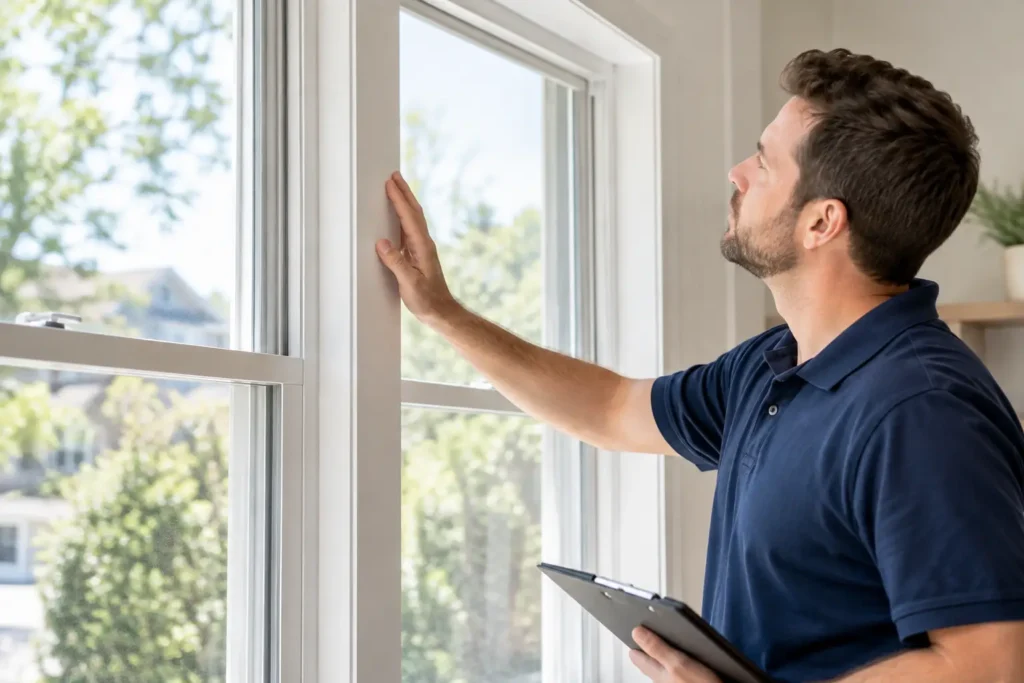
A window that sticks on a humid August morning or sends a cold draft across the room in January is more than a small annoyance. It can affect your comfort, energy bills, indoor noise, and the condition of the trim and walls around it. Homeowners often ask, “when should windows be replaced?” The answer is not always based on age alone. A well-built window may have years of service left, while a newer window with failed seals, water damage, or poor installation may need attention much sooner.
The right call starts with an honest look at what the window is doing, what is causing the problem, and whether a repair will truly solve it. Replacing windows is a meaningful investment, so it pays to distinguish a repairable issue from a window that has reached the end of its useful life.
When Should Windows Be Replaced? Start With the Signs
Windows rarely fail all at once. More often, homeowners notice a few changes that gradually become harder to ignore. Drafts, rattling panes, peeling paint, and rooms that are always too hot or too cold can point to a window problem, but the details matter.
A noticeable draft around a closed window may come from worn weatherstripping, a failed lock, or gaps between the window frame and the surrounding opening. Those issues can sometimes be repaired without a full replacement. But if the sash is warped, the frame is deteriorated, or the window cannot close squarely, replacement is usually the more dependable solution.
Fogging between panes is another clear warning sign on insulated glass windows. The cloudy appearance means the seal between the panes has failed, allowing moisture into the space that was designed to insulate your home. In some cases, the glass unit can be replaced. If the window is older, difficult to operate, or showing other signs of wear, replacing the entire unit may offer better long-term value.
Water should always be taken seriously. Staining on interior trim, soft wood around the sill, bubbling paint, or a musty smell can indicate that rain is getting where it should not. The issue may be a damaged window, failed exterior caulking, improper flashing, or siding trouble near the opening. Before installing a new window, the source of the water needs to be identified and corrected. Otherwise, the same damage can return around a brand-new installation.
Six Problems That Often Mean Replacement Makes Sense
Some window concerns are minor. Others tell you that the window is no longer protecting the home the way it should. Replacement deserves serious consideration when you are dealing with several of these issues:
- Windows that will not open, close, or lock properly. A painted-shut window can sometimes be freed, but swollen wood, broken balances, warped sashes, and damaged hardware can make operation unreliable and create a safety concern.
- Rotting wood or corroded frames. Surface paint failure can be repaired. Soft, crumbling wood and extensive rot cannot be covered up with a fresh coat of paint.
- Recurring condensation between glass panes. This usually points to a failed insulated-glass seal and reduced thermal performance.
- Persistent drafts and uneven room temperatures. If weatherstripping and basic repairs do not help, the window assembly or the installation around it may be failing.
- Visible water damage around the opening. Stained drywall, decayed trim, and repeated leaks require a closer inspection, not just more caulk.
- Single-pane or severely outdated windows. These may still function, but they offer little insulation and can make certain rooms uncomfortable year-round.
One symptom does not automatically mean every window in the house needs to go. A skilled contractor can assess each opening and help you prioritize the windows that need immediate attention. That approach is often more practical than replacing everything at once.
Age Matters, but Condition Matters More
Many homeowners hear that windows last 15, 20, or 30 years. Those ranges can be useful, but they are not a deadline. Material quality, exposure to sun and salt air, maintenance, and the quality of the original installation all influence how long a window performs well.
Wood windows can last for decades when they are protected from moisture and maintained properly. They can also deteriorate quickly if exterior paint fails or water reaches the frame. Vinyl windows are low-maintenance, but they can become brittle, warp in intense heat, or develop hardware and seal failures over time. Older aluminum windows may be durable but often transfer outside temperatures more easily than modern options.
For homes in Nassau and Suffolk County, coastal weather, wind-driven rain, summer humidity, and winter temperature swings put exterior materials to work. If a window has been repaired repeatedly or needs attention every season, replacement may be the more sensible use of your budget.
Repair or Replace: Make the Practical Choice
A repair is often worthwhile when the window itself is structurally sound. Replacing a broken latch, renewing weatherstripping, repairing a small area of wood damage, or installing a new screen can extend the life of a good window. If the issue is limited to trim or caulking, a targeted repair may protect both your home and your budget.
Replacement becomes the stronger choice when repairs would only treat the surface of a larger problem. For example, patching a rotted sill without addressing a failed window frame may delay, rather than prevent, future damage. Likewise, replacing glass in an older unit may not make sense if the frame leaks air, the hardware is failing, and the exterior cladding is worn out.
There is also a middle ground. If a few windows are in poor condition but others are performing well, replacing the most damaged units first can be a smart phased plan. Start with bedrooms, rooms with water intrusion, or windows that affect comfort and safety. A contractor can help you create a sequence that fits your priorities rather than pushing a one-size-fits-all project.
Think Beyond the Glass
A quality window is only as good as the opening it sits in. Window replacement is not simply a matter of removing an old unit and sliding in a new one. Proper sizing, leveling, fastening, insulation, flashing, exterior sealing, and trim work all affect the final result.
This is especially important when there is rot or hidden moisture behind the existing trim. The damaged material should be removed and repaired before the new window is installed. Skipping that step can trap problems inside the wall and weaken the finished work.
The style of window also deserves practical consideration. Double-hung windows are familiar and easy to use in many homes. Casement windows can provide excellent ventilation and tight closure. Picture windows bring in broad views and light but do not open. A good choice balances the look you want with ventilation, cleaning access, privacy, and how the room is actually used.
Plan the Project Around Your Home and Budget
Window replacement can be done at almost any time of year when conditions are right, but planning helps minimize disruption. A professional crew can typically replace windows one opening at a time, limiting the period your home is exposed to outdoor air. Still, if you are also updating siding, roofing, exterior trim, or an addition, coordinating the work can produce a cleaner result and prevent duplicate labor.
Do not choose solely by the lowest estimate. Ask what is included in the scope of work: removal and disposal, repair of damaged framing, insulation around the window, exterior trim, caulking, interior finish work, and cleanup. A lower price can become expensive if important installation details are left out.
It is also wise to balance upfront cost with the goals of the project. If you plan to stay in the home for years, comfort, durability, appearance, and easier operation may matter most. If you are preparing to sell, replacing visibly worn or nonfunctioning windows can improve curb appeal and give buyers confidence that the home has been cared for.
A Better Window Project Starts With a Clear Assessment
The best time to replace a window is before a small issue becomes damaged trim, wet insulation, moldy wall cavities, or a room you avoid during extreme weather. At the same time, there is no need to replace sound windows just because they are not brand new.
A careful assessment gives you the information to act with confidence. That Guy Carpentry can evaluate the condition around each opening, explain the work in plain language, and help you choose a solution that fits your home, goals, and budget. A properly installed window should feel like a quiet improvement you notice every day: a room that stays comfortable, operates easily, and looks finished from both inside and out.