
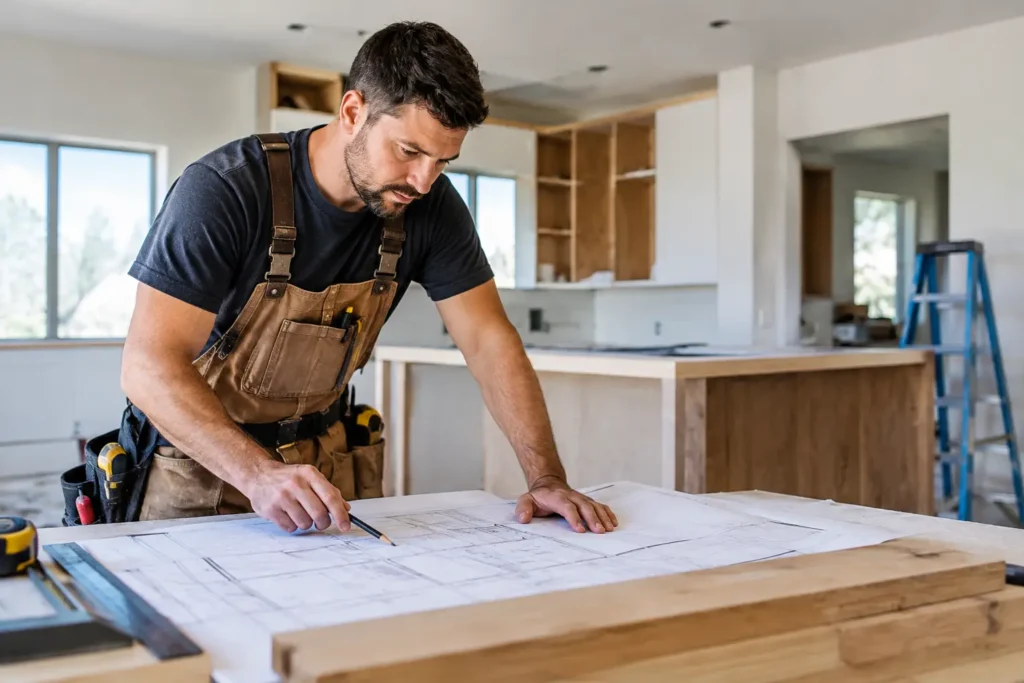
A room can look close to finished and still feel wrong. The trim may not meet cleanly at the corners, the new storage may waste valuable space, or the kitchen layout may make everyday routines harder than they need to be. A skilled Nassau County carpenter looks beyond the individual task and focuses on how every detail works together in your home.
That matters when you are spending real time and money on an improvement. Whether the project is a custom entertainment center, a bathroom update, replacement doors, new flooring, or a full kitchen renovation, the goal is not simply to install materials. It is to create a finished space that fits your family, your style, and the way you live.
What a Nassau County Carpenter Should Bring to Your Project
Carpentry is often the difference between a home that feels generic and one that feels truly yours. Custom work solves the small but meaningful problems that off-the-shelf products cannot always address: an awkward alcove, limited closet space, a low ceiling, uneven walls, or a need for storage that looks intentional rather than added on.
Good work begins with listening. Before recommending materials or a layout, a contractor should understand what is not working now, what you want to change, and where the budget needs to stay focused. A family updating a busy kitchen may need durable flooring and practical cabinetry more than decorative extras. A homeowner preparing for guests may prioritize a finished basement, built-ins, or a refreshed bathroom. There is no one-size-fits-all answer, and an honest recommendation should reflect that.
A dependable carpenter also understands the bigger picture. Finish carpentry, millwork, flooring, painting, door installation, and remodeling affect one another. Coordinating those pieces through one experienced team can prevent the common frustration of calling several tradespeople, repeating your plans, and managing gaps between phases of the job.
Custom Details That Make a Home Work Better
Custom woodworking is valuable because it puts function first without giving up appearance. Built-in bookcases can turn an underused wall into organized storage. A mudroom bench can give backpacks, shoes, and coats a proper place. A window seat can provide seating while hiding storage beneath it. These features should feel like they were always part of the house, not like an afterthought.
Finish carpentry has a similar effect. Baseboards, crown molding, wall paneling, casing, and carefully fitted doors create the clean lines that make a renovation feel complete. These details are especially important in older Long Island homes, where walls and floors may not be perfectly square. A carpenter who measures carefully and makes thoughtful adjustments can deliver a more polished result than a rushed installation ever will.
Material selection deserves the same care. Solid wood, engineered products, moisture-resistant finishes, and paint-grade materials all have their place. The best choice depends on the room, the expected wear, and the desired look. For example, a painted built-in can be an excellent, budget-conscious option for a family room, while a natural wood feature may be worth the investment in a prominent dining room or entryway.
When Carpentry Is Part of a Larger Renovation
Many projects begin with one clear need and grow once homeowners see the opportunity. Replacing an exterior door may lead to new trim, siding repairs, and a more welcoming front entry. Updating worn kitchen flooring may reveal that the layout, lighting, or cabinets also need attention. That does not mean every project should become a full remodel. It means the contractor should help you see the condition of the surrounding area before the work begins.
A coordinated renovation approach is useful for kitchens and bathrooms, where many materials and systems come together in a small space. Cabinets, countertops, flooring, fixtures, tile, ventilation, paint, and finish trim need to be planned in the right order. Careful scheduling protects completed work and helps avoid unnecessary delays.
Exterior projects need the same level of coordination. Decks, patios, roofing, siding, windows, and doors all protect your home from weather while shaping its curb appeal. If there is evidence of water damage, rot, or drafts, addressing the underlying issue should come before cosmetic upgrades. A fresh coat of paint looks better and lasts longer when the surface beneath it has been repaired properly.
A Clear Process Builds Confidence
Home improvement is disruptive by nature, but it should not feel chaotic. The best experience starts with a detailed conversation about the project scope, priorities, timeline, and budget. Homeowners should feel comfortable asking questions about what is included, what materials are being used, and what conditions could affect the estimate.
Once the plan is established, preparation protects the rest of the home. That can include covering floors, isolating work areas, managing dust, and keeping materials organized. Clean work habits are not a minor courtesy. They show respect for the home and make day-to-day life easier while the project is underway.
Communication matters just as much. Some jobs uncover conditions that cannot be seen until a wall, floor, or old fixture is opened. In those moments, a trustworthy contractor explains the issue clearly, presents practical options, and discusses the cost before moving ahead. Surprises happen in renovation work. Silence and vague answers should not.
At That Guy Carpentry, the work is planned around the homeowner’s vision, from the first estimate through the final details. That includes helping clients make choices when they know what they need but are unsure which layout, finish, or material will serve the space best.
Questions to Ask Before Hiring a Carpenter
The right contractor should welcome direct questions. Ask whether the company handles both the carpentry and related renovation work, or whether you will need to coordinate other specialists. Ask how changes are communicated, how the workspace is protected, and what the expected sequence of work looks like.
It is also reasonable to discuss the trade-offs in your project. A custom solution may cost more upfront than a ready-made alternative, but it can use space more efficiently and improve the value of the room over time. On the other hand, not every repair calls for a custom build. Sometimes a careful repair, a new door, fresh trim, or updated paint is the smartest use of the budget.
Look for specific answers rather than broad promises. A professional should be able to explain why a material is recommended, how it will perform in that location, and what maintenance it may require. Honest prices do not always mean the lowest number. They mean the scope is clear, the workmanship is respected, and you understand what you are paying for.
Plan for the Finished Room, Not Just the Immediate Fix
Before starting, take a few minutes to picture how the completed space will be used on an ordinary day. Where will coats go when everyone gets home? Will there be enough counter space to prepare meals? Does the bathroom offer storage for towels and daily essentials? Can the new deck handle the way you host friends and family?
These questions lead to better decisions than choosing features one at a time. They help a carpenter recommend practical details that are easy to overlook early on, such as outlet placement near a built-in, durable finishes around an entry, lighting over work areas, or trim that ties a new addition into the rest of the home.
Your home does not need to look like anyone else’s. It needs to support the life happening inside it. Start with the problem you want solved, share the ideas you have, and work with a carpenter who treats the final fit, finish, and function as seriously as you do.