
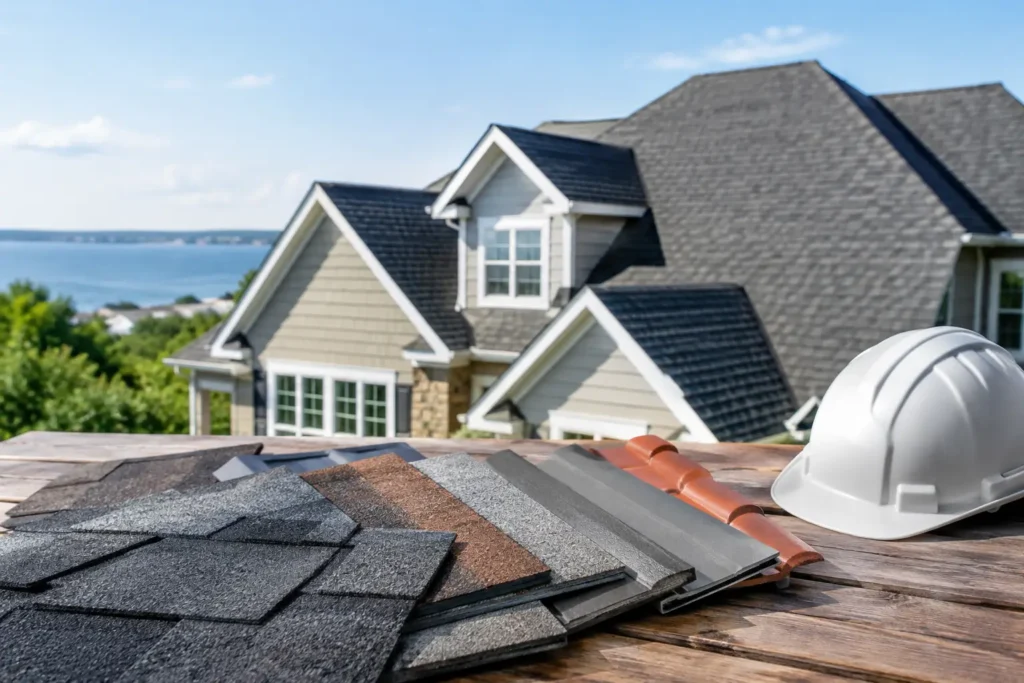
A roof can look perfectly fine from the driveway and still be nearing the end of its useful life. Curling shingles, a few missing granules, small ceiling stains, and worn flashing around a chimney are all signs that deserve a closer look. Roofing material reviews are useful because the right choice is not simply the one with the longest warranty or the lowest initial price. It is the material that fits your home, your budget, and the way Long Island weather tests a roof year after year.
At That Guy Carpentry, we approach roofing as part of the whole exterior system. A quality installation includes the materials you see, plus the underlayment, ventilation, flashing, decking repairs, and clean finishing details that help protect the home underneath. Here is a practical look at the most common roofing options and where each one makes sense.
Roofing Material Reviews: What Matters Most
Before comparing materials, it helps to look beyond the shingle itself. Roof performance depends on slope, sun exposure, nearby trees, attic ventilation, chimney and skylight details, and the condition of the roof deck. A material that performs well on a simple ranch roof may not be the best value for a steep, detailed colonial with dormers and valleys.
For Nassau and Suffolk County homeowners, wind, driving rain, humid summers, freeze-thaw cycles, and coastal salt air can all affect the decision. Curb appeal matters too, especially when a new roof is part of a larger exterior update involving siding, trim, windows, or gutters.
The best material is usually the one that gives you a realistic balance of service life, maintenance, appearance, and installed cost. Paying less today can make sense for a home you expect to sell soon. Investing more can make sense when you plan to stay, want a distinct look, or are already making long-term improvements.
Asphalt Shingles: The Dependable All-Around Choice
Architectural asphalt shingles remain the most common roofing material for good reason. They offer strong value, a wide range of colors, and a finished look that works with most Long Island homes. Compared with older three-tab shingles, architectural shingles are thicker, more dimensional, and generally better suited to handling wind and everyday weather exposure.
For many homeowners, this is the practical choice. It can deliver an attractive, durable roof without the higher investment required by metal, slate, or specialty materials. It is also relatively straightforward to repair if a limited area is damaged by wind or a falling branch.
The trade-off is lifespan. Asphalt is dependable, but it does not last forever, especially where roofs receive intense sun or where attic heat and moisture are not properly managed. Dark streaking from algae, granule loss, and curling at exposed edges can become more noticeable over time. Quality shingles, proper ventilation, and careful installation make a meaningful difference.
Asphalt shingles are a particularly good fit when budget is a priority, when you want many color options, or when you need a solid roof that complements rather than dominates the home’s exterior.
A note on shingle grades
Not all asphalt shingles are equal. Entry-level products may be appropriate for a tight budget, while premium architectural shingles usually offer heavier construction, more pronounced shadow lines, and enhanced wind ratings. The right selection should be based on the home and the scope of the project, not just a sample board viewed indoors.
Metal Roofing: Long-Term Performance With a Higher Upfront Cost
Metal roofing has become a popular option for homeowners who want a clean, distinctive appearance and a long service life. Standing-seam metal roofs, in particular, create crisp vertical lines that work beautifully on modern homes, farmhouses, additions, porches, and select traditional styles.
A properly installed metal roof sheds rain and snow efficiently and resists fire, rot, and insect damage. It can be an excellent choice for homeowners planning to remain in their house for many years. Metal also comes in a broad selection of finishes, so it is not limited to the bright silver look people may picture first.
The initial cost is the main consideration. Metal roofing typically requires a larger investment than asphalt, and details around valleys, penetrations, transitions, and trim must be handled precisely. This is not a place to cut corners. Poor fastening, incorrect flashing, or mismatched materials can undermine the benefits of an otherwise excellent roof.
Noise is another common question. With proper roof decking, underlayment, and attic insulation, rain noise inside the home is generally not the issue many people expect. Still, metal is not automatically the right answer for every home. If resale timing, budget, or neighborhood style points toward asphalt, a high-quality shingle roof may offer better overall value.
Cedar Shakes and Shingles: Natural Character, Real Maintenance
Cedar has a warmth and texture that manufactured materials cannot fully duplicate. It can give a coastal cottage, historic home, or custom-designed exterior a rich, natural character. Over time, cedar weathers into a soft gray unless it is treated to retain a particular color.
This beauty comes with responsibility. Cedar roofs require more maintenance than asphalt or metal, particularly in shaded areas where moisture, moss, and debris can linger. Nearby trees should be kept trimmed, gutters should stay clear, and the roof should be inspected regularly for split, cupped, or deteriorating pieces.
Cedar can be a rewarding choice for homeowners who love the look and are prepared to care for it. It is less ideal when the main goal is the lowest-maintenance roof possible. Local building requirements, fire ratings, and product availability should also be reviewed before making a final decision.
Slate: Exceptional Life Span, Specialized Installation
Natural slate is one of the most durable and striking roofing materials available. On the right home, it delivers a classic appearance that can last for generations. It is especially appropriate for historic properties and homeowners who want a truly premium, permanent-looking exterior.
However, slate is heavy and expensive. The structure may need to be evaluated to confirm it can carry the load, and installation should be performed by professionals experienced with slate-specific details. Repairs also require matching material and specialized care. A slate roof is not simply an upgraded shingle roof – it is a different level of project planning.
Synthetic slate offers a similar visual effect at a lower weight and often a lower cost. It can be worth considering when you want the slate aesthetic but need more flexibility in the roofing system. As with any specialty product, the quality of the material and the experience of the installer matter as much as the appearance of the sample.
Don’t Overlook the Parts Beneath the Roof
Many roof problems begin where materials meet: at chimneys, skylights, wall transitions, valleys, vents, and pipe penetrations. Flashing is one of the least glamorous parts of a roof, but it is one of the most important. A beautiful new roof can still leak if these details are not handled correctly.
The same is true for underlayment and ventilation. Underlayment provides an additional layer of protection beneath the finished roofing. Balanced attic ventilation helps reduce excessive heat and moisture, which can shorten shingle life, contribute to condensation, and make the home less comfortable. If roof decking has water damage or rot, repairing it before new materials go on is the honest way to do the job.
When comparing estimates, make sure you understand what is included. Ask about removal of old roofing, deck inspection and replacement allowances, underlayment, ice and water protection where needed, flashing, ventilation, cleanup, and disposal. A low number may leave out items that a complete proposal properly addresses.
Choosing the Right Roof for Your Home
Start with the condition of your current roof and the goals you have for the property. If you need reliable protection at a sensible price, architectural asphalt shingles are often the strongest choice. If you are making a long-term investment and want a more distinctive finish, metal may be worth the added cost. Cedar and slate serve more specialized design goals and require a clear understanding of maintenance, structure, and installation requirements.
It also helps to consider the exterior as one connected project. A new roof can change how siding color, trim, shutters, gutters, and entry doors look together. Bringing those choices into the conversation early helps avoid an exterior that feels pieced together over time.
A roof should give you confidence every time the forecast calls for heavy rain or high winds. The most helpful next step is a straightforward on-site evaluation, where the material options, existing conditions, and project budget can be discussed honestly before work begins.
1 Comment
so true