
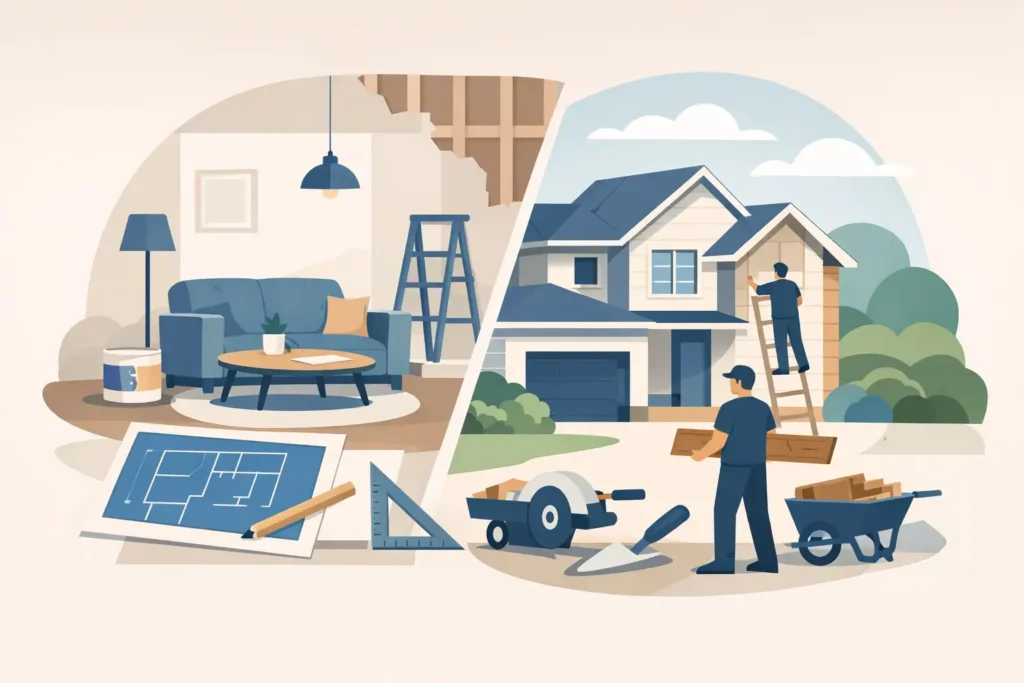
A house can look fine from the curb and still fall short where it matters most. Maybe the kitchen no longer works for a busy family, the bathroom needs an update, the front entry feels tired, or a worn deck is keeping you from using the backyard. Interior and exterior home remodeling gives homeowners a chance to address those problems together, with a plan that improves how the home looks, feels, and performs.
The best projects do not start with a random list of upgrades. They start with an honest conversation about how you live in the home, what needs attention now, and where your investment will make the biggest difference. A well-planned remodel can solve daily frustrations while adding lasting character, durability, and value.
Start With What Your Home Needs Most
Every remodeling plan has a budget, a timeline, and a few priorities competing for attention. That is normal. The key is deciding which work protects the home, which work improves everyday function, and which details make the space feel personal.
Exterior concerns often come first when they involve water, weather, or safety. Damaged roofing, failing siding, old windows, loose railings, and deteriorated trim can lead to larger repair costs if they are put off too long. Addressing the building envelope first helps protect the work you plan to do inside.
Once the home is protected, focus on the rooms and features that affect daily life. A kitchen with poor storage, a cramped bathroom, uneven flooring, or a lack of usable entryway space can make an otherwise good home feel frustrating. Custom carpentry is especially useful here because it can make better use of the square footage you already have.
Cosmetic improvements still matter. Fresh paint, detailed trim, updated doors, and thoughtfully selected flooring can change the feeling of a room without requiring a complete gut renovation. The right scope depends on the condition of the home and your goals. Sometimes a full remodel is the smart move. Other times, targeted work delivers the better return.
Interior Remodeling That Works Hard Every Day
Interior improvements should do more than photograph well. They should make ordinary routines easier, stand up to real family life, and fit the character of your home.
Kitchens Built Around the Way You Use Them
A successful kitchen remodel considers movement before finishes. Think about where groceries come in, where meals are prepared, how many people cook at once, and where small appliances tend to collect. These details guide decisions about cabinet layout, island size, pantry storage, lighting, and countertop space.
Custom cabinets, built-ins, and millwork can solve problems that off-the-shelf options often leave behind. A narrow wall can become a pantry. An awkward corner can hold useful storage. A carefully designed banquette can create seating without crowding the room. The goal is not to fill every inch. It is to make each inch earn its place.
Bathrooms That Feel Better and Last Longer
Bathroom remodeling is a balance of comfort, moisture protection, and easy maintenance. A larger shower, better lighting, a properly placed vanity, and durable tile can make a big difference in a relatively small footprint.
This is also a room where preparation matters. Proper waterproofing, level surfaces, secure fixtures, and quality installation are not details to cut corners on. Homeowners may see the finished tile and fixtures, but the work behind the walls is what helps the room hold up over time.
Flooring, Trim, and Custom Details
New flooring can connect several rooms and give the home a cleaner, more consistent look. Material choice depends on the room. Hardwood brings warmth and character, while durable engineered products, tile, or luxury vinyl may be better suited to high-traffic areas, basements, kitchens, or homes with pets.
Finish carpentry adds the details that make a renovation feel complete. Crown molding, baseboards, door casings, wainscoting, feature walls, custom shelving, and entertainment centers can bring proportion and personality to a space. These elements are especially valuable in Long Island homes where homeowners want an updated look without losing the warmth of an established neighborhood home.
Exterior Home Remodeling Protects Your Investment
The exterior is more than curb appeal. It is the first line of defense against rain, wind, sun, temperature changes, and everyday wear. A thoughtful exterior project can improve energy efficiency, reduce maintenance, and make coming home feel better.
Windows, Doors, Siding, and Roofing
Old windows and exterior doors can affect comfort as well as appearance. Drafts, difficult operation, condensation, and visible wear are signs that replacement may be worth considering. A properly installed window or door should fit securely, operate smoothly, and complement the home rather than look like an afterthought.
Siding and roofing demand the same level of attention. The right material is not always the most expensive option. It should suit the home’s style, the local climate, your maintenance expectations, and your budget. A contractor should be clear about what the existing conditions reveal and what repairs may be needed before new materials go on.
Exterior trim, soffits, fascia, and gutters are easy to overlook until they begin to fail. Keeping these details in good condition helps manage water and protects the structure behind the finished surface.
Decks, Patios, and Outdoor Living Areas
For many homeowners, the backyard is another room waiting to be used. A new deck, repaired porch, patio upgrade, or custom outdoor feature can create a practical place for family meals, quiet mornings, and weekend gatherings.
Start by thinking about use. A small landing outside a back door has different needs than a large entertaining area with seating, cooking space, and lighting. Material selection matters here too. Wood offers a classic look and can be tailored with custom carpentry, while composite decking may reduce routine maintenance. There is no one right answer, only the option that fits your household and the level of upkeep you want to take on.
Coordinate Interior and Exterior Work for Better Results
One of the biggest advantages of a broad remodeling plan is coordination. If you are replacing windows, repainting rooms, updating trim, and adding flooring, the order of work matters. Doing projects in the right sequence can reduce duplicate labor, avoid damage to new finishes, and make the process easier on your household.
For example, exterior leaks or window issues should be addressed before investing in interior paint, drywall repair, or custom built-ins near affected walls. If a kitchen remodel includes a new exterior door or expanded window opening, that decision should be made early, before cabinets and finishes are finalized.
Working with one trusted team also helps keep the vision consistent. The trim style in a renovated living room can connect naturally to a new entry door. A deck can be designed to complement the home’s siding and exterior color. Interior storage can be planned around the way your family uses the mudroom, garage entry, or patio door.
Make Smart Decisions Before Work Begins
A clear scope is one of the best ways to avoid stress during a remodel. Before construction begins, discuss the desired outcome, budget range, material preferences, timing, and any concerns about access to the home. If you need to keep a kitchen or bathroom functioning as long as possible, say so early. A good plan can account for that.
It also helps to separate must-haves from nice-to-haves. Must-haves may include repairing water damage, improving a layout, adding storage, or replacing unsafe exterior features. Nice-to-haves may include a specialty finish, upgraded hardware, or an additional built-in. This approach makes it easier to make decisions if hidden conditions or material changes affect the budget.
At That Guy Carpentry, the process begins by listening to what you want your home to become. Whether the project is a focused repair, a custom built-in, a kitchen renovation, or a coordinated interior and exterior update, skilled workmanship and honest communication should carry through to the final details.
Your home does not need to be remodeled all at once to become more useful, more comfortable, and more yours. Start with the improvement that will make the clearest difference, choose materials that fit your life, and build the next phase around a plan you can feel good about.
3 Comments